Strategies to Optimize Personal Cash Flow: Advanced Approaches for Financial Success
Introduction: The Relevance of Optimizing Personal Cash Flow
Optimize personal cash flow is a fundamental pillar for individuals dedicated to building advanced financial success. In today’s economic climate, factors like inflation, market volatility, and expanding digital finance tools make understanding personal cash flow more crucial than ever before. Making sense of the movement of your money, not just through traditional budgeting but through advanced optimization, allows you to make better investment decisions. Moreover, it offers scalable opportunities for wealth accumulation while proactively mitigating financial risks. As technology continually transforms financial landscapes, mastering cash flow empowers you to seize timely opportunities and remain resilient during economic uncertainty.
What Personal Cash Flow Really Means
Personal cash flow refers to the net movement of funds—the difference between all income sources and total expenditures—over a set period. Income streams could include your primary salary, rental income, investment dividends, or side hustles. Outflows cover basics like rent, utilities, loan payments, discretionary spending, and taxes. When you consistently spend less than you earn, you maintain a positive cash flow, yielding more financial flexibility and room to invest or save for goals. Conversely, negative cash flow leads to greater reliance on credit and a shrinking safety net. Real-time, detailed oversight of your cash flow lays the groundwork for smarter analytics, allowing you to identify patterns, make strategic changes, and maximize every dollar, especially when you leverage digital tracking platforms and budgeting tools.
Optimize Personal Cash Flow: Key for Advanced Investors
For advanced investors, optimizing personal cash flow is crucial for disciplined capital allocation and long-term wealth preservation. Cash flow directly dictates how much you can consistently invest in financial instruments—equities, fixed income, real estate, or alternative assets—without disrupting your lifestyle. An optimized approach ensures you capitalize on time-critical deals, such as IPO participation, short-term yield spikes, or acquisition opportunities, while maintaining your investment portfolio intact. Additionally, by keeping cash flow steady and predictable, you can rebalance portfolios, adjust asset allocations, and move rapidly as markets change. Digital platforms now provide robust cash flow analytics, helping investors monitor liquidity requirements and update wealth strategies to meet current needs and opportunities.
Advanced Approaches to Optimize Personal Cash Flow
Effective cash flow optimization demands a systematic, intentional approach beyond routine budgeting. Begin by auditing all income sources and spending, using advanced spreadsheets or specialized fintech apps. Break down expenditures by category, marking essentials, debts, and discretionary spending. This enables you to identify savings on non-essential services, renegotiate contracts, and limit subscription creep. Setting up automated recurring savings and bill payments prevents missing deadlines and cultivates discipline. Furthermore, diversify your income streams with freelance work, dividends, or passive investments in digital assets. This diversification guards against market instability or job disruptions. Conduct routine cash flow audits at least quarterly, taking advantage of artificial intelligence-supported apps that highlight inefficiencies and suggest practical adjustments. In summary, move from reactive money management to proactive, data-informed decision-making for long-term success.
The Impact of Financial Technology on Cash Flow Monitoring and Automation
Financial technology (FinTech) has revolutionized the way people manage and optimize personal cash flow. Open banking APIs consolidate account data, offering clear, real-time overviews of virtually all financial transactions. Machine learning algorithms can predict future cash shortfalls, recommend optimal savings rates, and trigger alerts for any anomalous activity. Robo-advisors use your liquidity needs and risk tolerances to create dynamic rebalancing strategies in your investment portfolio. Digital wallets and automated payment systems speed up the movement of surplus cash, making it easier to direct funds toward investment, debt repayment, or emergency savings. These technologies remove manual friction from daily financial decisions and reduce the chance of costly oversight, freeing up time and mental space for higher-value strategic planning. Crucially, leveraging FinTech tools brings confidence and agility to the process of managing your money.
Advanced Strategies to Optimize Personal Cash Flow
Deep-Dive Cash Flow Tracking
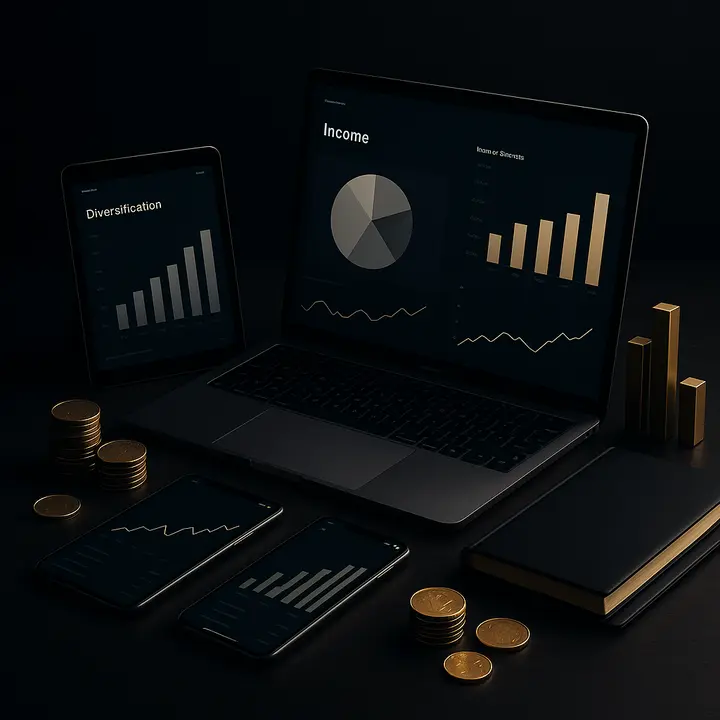
A basic monthly budget is only the start. Advanced optimization demands ongoing, granular tracking of every dollar, ideally supported by software with AI-powered analytics. By regularly monitoring net inflows and outflows, you can instantly identify trends—such as seasonal spending spikes or missed opportunities to increase savings. Real-time reporting, with customized dashboards, reveals which expenses might be optimized further and highlights periods of excess liquidity that could be redirected toward investments.
Automation and Systematized Savings
Automatically shifting a portion of every paycheck into high-interest savings or dedicated investment accounts builds momentum for your long-term goals. Scheduled bill payments also ensure you avoid late fees and keep your credit profile robust. Adopting the ‘pay yourself first’ approach creates positive behavioral inertia and ensures a portion of income always goes toward financial growth, not just consumption.
Income Diversification and Passive Revenue
Relying on a single job or business can expose your cash flow to sudden shocks. By diversifying, you increase stability. Side hustles, dividend-paying investments, royalties from digital products, or rental income contribute multiple streams, making it less likely you’ll experience a cash shortage. This additional security empowers you to exploit time-sensitive opportunities without compromising your financial safety.
Expense Optimization and Strategic Reductions
Continually review all spending, including recurring subscriptions and utility contracts. Negotiate lower rates, switch to more competitive providers, or eliminate services no longer needed. Even small monthly savings aggregate over time, yielding hundreds or thousands annually to be redirected into investments or key goals. Expense-tracking apps can automate much of this workflow, directly flagging cost reduction opportunities.
Tax Optimization for Improved Cash Flow
Effective tax planning greatly impacts personal cash flow. Leverage all available deductions, credits, and efficient use of tax-sheltered investment accounts. Consulting with a tax advisor or leveraging AI-driven tax apps ensures you’re not missing potential refunds, reducing outflows, and maintaining more liquidity to reinvest or save.
Risk Management in Cash Flow Optimization
Managing personal cash flow always involves risk awareness. Persistent negative cash flow leads to debt accumulation, higher interest payments, and reduced long-term growth potential. Over-reliance on gig or commission-based income without sufficient reserves amplifies vulnerability. Additionally, ignoring small but regular unsupervised expenses can steadily erode hard-earned gains. To minimize these risks, maintain an emergency fund covering three to six months of living expenses. Use secure, established digital platforms to reduce fraud and data breach risk. Regularly update personal finance software, review security protocols, and ensure multi-factor authentication for all accounts. A risk-aware mindset also means consistently updating your budget and income plans in response to changing economic and personal circumstances.
Opportunities Created by Strong Personal Cash Flow
When you optimize personal cash flow, you open doors to advanced opportunities. Consistent liquidity positions you to invest using strategies like dollar-cost averaging or to pivot into emerging asset classes before broad public adoption. A solid cash position allows you to refinance debts at better rates, invest in private or institutional deals, or take advantage of limited-time discounts on large purchases. Furthermore, strong ongoing cash flow lets you consider bold moves—like early retirement, launching a scalable enterprise, or expanding into international real estate. The peace of mind and agility gained from sustained, positive cash flow are unmatched assets for forward-thinking individuals.
The Psychology of Cash Flow: Mindset Shifts for Lasting Success
Long-term cash flow optimization is not solely technical—mindset and discipline matter as much as spreadsheets and automation. Cultivate financial mindfulness by routinely tracking and reflecting on spending, setting clear, measurable goals, and celebrating incremental victories. Embrace delayed gratification, reassess your needs versus wants, and realign your cash flow plan as life stages and priorities change. Leverage technology to remove temptation and streamline wise decisions. Advanced financial success always blends technical expertise with resilient, forward-looking personal habits.
Continuous Learning: Improving your Cash Flow Strategy Over Time
No cash flow strategy remains optimal forever. As markets shift and personal circumstances evolve, so must your approach. Make a habit of learning from credible financial literature, attending seminars, and following reliable online educational resources. Periodically reassess your financial ecosystem, incorporating new technologies, changing regulatory environments, or adapting to global macroeconomic shifts. By investing in financial education and remaining flexible, you ensure your efforts to optimize personal cash flow remain productive and relevant year after year.
Conclusion: A Dynamic Discipline for Advanced Personal Success
Ultimately, to optimize personal cash flow is to strengthen the entire foundation of your financial future. The process never fully ends; as circumstances, goals, and global trends evolve, so must your strategies. Active engagement, the smart use of technology, and a willingness to revisit your assumptions keep your cash flow and overall finances in peak condition. Explore additional tools and advanced ideas in our Advanced Personal Finance resource hub for deeper guidance and up-to-date strategies.

Camila Duarte is a financial content strategist and personal finance writer focused on helping readers build structured, long-term financial stability. Her work explores how budgeting systems, income management, credit behavior, and disciplined investing interact to create sustainable financial growth. Instead of promoting shortcuts or trend-driven advice, Camila emphasizes clarity, practical frameworks, and responsible decision-making grounded in real-world financial dynamics.