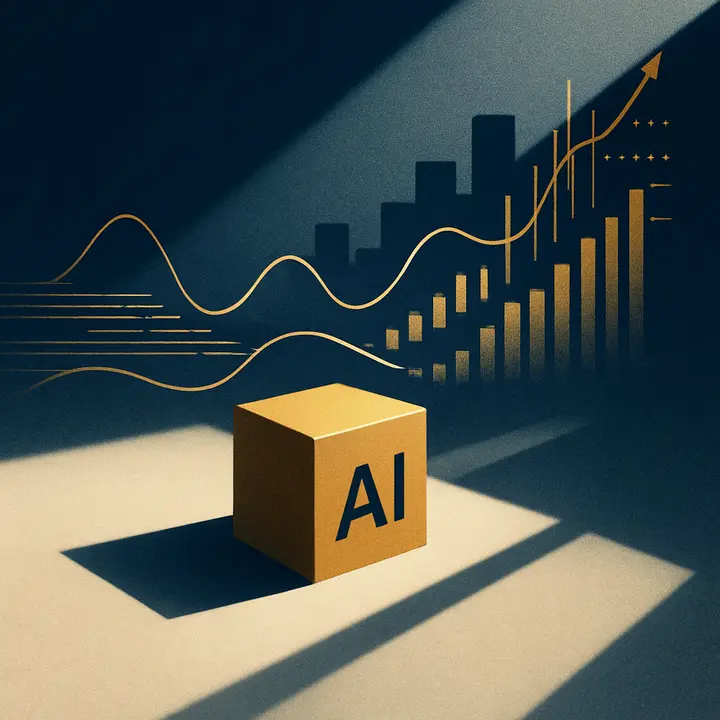
How Artificial Intelligence is Transforming the Financial Market
Introduction: The Rise of AI in Financial Markets
AI in financial markets is reshaping the very core of finance, introducing unprecedented efficiency and innovation. As artificial intelligence advances, financial professionals and investors increasingly rely on AI-driven systems to analyze data, manage risks, and optimize performance. This surge in AI adoption has triggered a revolutionary shift, making it essential for market participants to understand the technology’s impact on global finance. With data volumes exploding and real-time analytics available at the click of a button, AI is now central to competitive strategy in banking, trading, lending, and wealth management.
Understanding AI in Financial Markets
At its core, artificial intelligence in financial markets involves systems that simulate human intelligence. These systems can learn from data, identify patterns, and make informed decisions. Machine learning, natural language processing, predictive analytics, and deep learning algorithms drive most of these advances. As a result, institutions can process massive data streams in real time, enabling them to spot trends, evaluate risks, and capture opportunities previously left untapped. In trading, AI algorithms analyze global trends, execute trades in milliseconds, and adjust strategies as markets shift. On the consumer side, robo-advisors use AI to guide investors through automated, personalized portfolio construction.
How AI Is Transforming Asset Management
Within asset management, AI brings new layers of precision to traditional portfolio strategies. Human portfolio managers still guide long-term strategy, but AI-powered tools now handle data-mining, risk modeling, and real-time rebalancing. Quantitative investment strategies, enhanced by AI, account for vast market dynamics and reduce the impact of human emotion. For example, AI-powered tools can factor in non-traditional data—such as social trends or satellite imagery—helping identify catalysts before they move prices. As a result, asset managers use predictive analytics for better allocation, aligning strategy with emerging conditions and reducing the risk of unpredictable downturns.
AI-Driven Trading and Execution
Trading floors have transformed into digital platforms dominated by high-speed algorithms. AI in financial markets empowers traders with tools that analyze millions of trades in seconds, assess sentiment from news feeds, and respond dynamically to shifting conditions. High-frequency trading firms depend on AI to identify fleeting arbitrage opportunities and execute orders faster than any human could. Furthermore, these algorithms constantly adapt, recalibrating their approach as new data emerges. The speed and accuracy of AI-driven trading reduce transaction costs and enhance market liquidity, while also challenging regulators to manage the potential risks of ultra-fast automated trading.
Risk Management and Fraud Detection
AI has revolutionized risk management practices, both for institutional investors and banks. Modern AI systems now assess creditworthiness by analyzing traditional data (like credit scores) alongside unconventional sources, such as mobile data or purchase histories. Predictive analytics can swiftly predict loan defaults or unusual transaction patterns, allowing early intervention and minimizing losses. In fraud detection, AI continuously scans billions of transactions for anomalies, instantaneously flagging suspicious activity. These safeguards not only protect the financial system but also help companies comply with strict regulatory requirements, making AI an asset for legal compliance and operational security.
Personalized Services: The Rise of Robo-Advisors
Retail investors benefit immensely from AI in financial markets. The rise of robo-advisors—a new class of digital, automated financial advisors—has democratized access to sophisticated portfolio management. By leveraging AI, robo-advisors analyze investors’ financial situations, risk appetites, and goals to recommend tailored investment strategies. This hyper-personalized approach enables even novice investors to access tools once reserved for the ultra-wealthy. As AI models track external market events, these platforms offer proactive guidance, regular portfolio rebalancing, and low-cost entry to diversified investment opportunities, further strengthening financial inclusion.
Challenges and Risks of AI Adoption
Despite its wide-reaching benefits, over-reliance on AI in financial markets also creates unique challenges. Many institutions use similar algorithms, which can amplify systemic risks, especially during high-stress periods. Black-box models, in which decisions are not easily explained or audited, make transparency and regulatory oversight difficult. Data quality remains critical—models fed inaccurate or incomplete data can produce flawed analyses that reverberate across the system. Furthermore, sophisticated AI systems are prime targets for cyberattacks, raising concerns about data security and business continuity. Regulators, investors, and technology providers must vigilantly update risk controls, ensure algorithmic fairness, and maintain a balance between automation and human intervention.
AI and the Democratization of Investing
One of AI’s most significant contributions is its role in democratizing investing. Cloud-based AI platforms provide individual investors with access to the same analytic firepower as institutional players. Retail trading platforms now integrate machine learning analytics, offering data-driven investment ideas and risk assessments. Open-source financial data and AI-powered screening tools help ordinary people construct portfolios that match their specific goals and values. Moreover, educational resources on AI-driven investing grow daily, helping bridge the financial literacy gap that limits market participation. As knowledge spreads, so does the opportunity for average investors to benefit from AI-driven insights and enhanced market access.
AI in Regulatory Compliance and RegTech
Regulatory compliance represents one of the most complex and resource-intensive challenges in the financial sector. AI in financial markets enables firms to comply with evolving rules more efficiently, reducing regulatory costs and human errors. RegTech solutions powered by artificial intelligence scan changes in regulatory requirements, automate reporting, and flag inconsistencies for further review. By enhancing accuracy and timeliness, AI-driven compliance tools free up valuable resources and bolster institutional resilience against regulatory shocks. As financial markets grow more globalized and interconnected, RegTech becomes essential for firms aiming to expand or operate cross-border.
The Role of Data Quality and Cybersecurity
Data quality underpins every successful AI deployment in financial markets. Clean, rich, and timely data feeds empower AI models to generate precise predictions and actionable recommendations. However, poor data can undermine entire strategies, leading to costly mistakes. Financial firms must invest in data governance frameworks and establish rigorous validation processes. Meanwhile, cybersecurity emerges as a top priority: attackers constantly probe AI systems for vulnerabilities, and a single breach can expose sensitive financial information or disrupt automated processes. Proactive risk management, continuous system testing, and advanced encryption are vital in protecting AI-driven financial operations.
Future Outlook: The Evolving Role of AI in Finance
Looking forward, AI’s influence in financial markets will only grow as technologies mature and adoption widens. We can expect new frontiers in financial forecasting as natural language processing interprets news, social media, and macroeconomic trends more accurately. Decentralized finance platforms may further integrate AI for peer-to-peer risk assessment, liquidity management, and fraud prevention. Moreover, as ESG (environmental, social, and governance) considerations rise, AI will help investors incorporate non-financial data into their strategies. Active collaboration among technologists, regulators, and investors will remain crucial to harness AI’s potential responsibly while managing challenges related to transparency, ethics, and stability.
Conclusion: Strategic Adaptation in the AI-Driven Era
The relentless advance of AI in financial markets places a premium on continuous learning and strategic adaptation. By embracing AI-driven tools and understanding their applications, investors and professionals can navigate a complex, ever-evolving landscape with greater confidence and agility. Risk management, portfolio construction, compliance, and client services have all become more precise and accessible thanks to AI’s capabilities. Those who invest in knowledge and technological mastery today will be best placed to seize tomorrow’s opportunities. For more insights and analysis about FinTech and Financial Innovation, explore our category portal and enhance your understanding of how technology is shaping modern markets.

Camila Duarte is a financial content strategist and personal finance writer focused on helping readers build structured, long-term financial stability. Her work explores how budgeting systems, income management, credit behavior, and disciplined investing interact to create sustainable financial growth. Instead of promoting shortcuts or trend-driven advice, Camila emphasizes clarity, practical frameworks, and responsible decision-making grounded in real-world financial dynamics.