The Importance of Financial Education for Young Adults
Introduction: The Role of Financial Education Young Adults Need
Financial education for young adults stands as a pillar of personal and societal stability in today’s world. The journey from formal schooling to economic self-reliance requires robust knowledge of money management, risk assessment, and goal setting. Today, young adults face complex financial products, volatile markets, and unprecedented access to investment options. If they are unprepared, these challenges can lead to pitfalls, missed opportunities, and long-term negative consequences. Recent OECD studies show a widespread gap in financial literacy. This gap hinders wealth accumulation, increases vulnerability to debt, and weakens financial resilience. As digital payment systems evolve and student loan debt grows, strong financial understanding becomes essential for success.
What Defines Financial Education for Young Adults?
At its core, financial education for young adults means gaining knowledge and practical skills to make wise choices about income, expenses, savings, and investments. This education starts with budgeting basics and grows into understanding credit systems, long-term investing, and retirement planning. In addition, it now includes digital skills. Young adults must learn to use online banking, mobile investing, and financial apps securely and effectively. Traditionally, families or occasional school lessons provided financial knowledge. However, modern society needs structured, interactive approaches. These may include high school curricula, university seminars, online platforms, and self-driven study. The main goal is to foster analytical thinking, sound judgment, and financial confidence that lasts through all stages of life.
Why Financial Education Is Essential for Young Investors
Young adults entering the world of investing benefit greatly from strong financial education. Informed investors make better decisions, manage risk well, and build wealth over time. Studies from the World Bank and other institutions show that financially educated investors are less likely to fall for common biases, such as panic selling or herd mentality. They diversify their portfolios, rebalance regularly, and approach new investment products with healthy skepticism. By understanding basics like compound interest, risk-return relationships, and asset allocation, young investors protect themselves from bubbles and scams. Moreover, as investment platforms become more accessible, the risk of rash or uninformed decisions increases. This highlights the need for ongoing financial education. Regulators and industry leaders now prioritize educational initiatives to support responsible investing and protect people from costly mistakes.
Practical Strategies to Boost Financial Literacy
Integrating personal finance education into secondary and higher education improves long-term financial well-being. Countries with mandatory financial curricula show higher savings rates, less unmanageable debt, and better investment outcomes among young adults. In addition, workplace programs are becoming crucial. Many forward-thinking employers offer financial wellness initiatives, such as budgeting workshops, retirement planning sessions, and debt management resources. Furthermore, digital finance tools—like budgeting apps or investment simulators—give young adults hands-on experience in money management. Peer mentorship, student clubs, and online forums also help, offering support and real-life context. These resources help individuals apply financial concepts to their personal situations. Regular updates and adaptable materials keep content relevant as economies and technologies change. Ultimately, practical and continuous learning is the key to lasting financial growth.
Mastering Core Concepts: Budgeting, Saving, and Debt
Building a strong financial foundation begins with budgeting. Young adults should list all income sources and compare them to both essential and discretionary expenses. Tools like spreadsheets or budgeting apps can help clarify spending. This approach reveals saving opportunities and potential spending leaks. Financial experts recommend building an emergency fund that covers three to six months of expenses. Such a cushion prevents reliance on credit cards or costly loans during crises. Young people should pay off high-interest debt, such as credit cards or payday loans, as soon as possible. Carrying this debt quickly erodes savings and damages credit scores. Automated savings transfers make building habits easier. Goal-specific accounts—for travel, home buying, or retirement—can keep motivation high. Budgeting and disciplined saving create the foundation for investing. This enables young adults to take calculated risks and enjoy long-term wealth growth.
Financial Technology’s Impact on Young Adults’ Choices
Fintech has democratized access to banking, investing, and financial planning. However, it has also introduced new risks. Digital banks and investment platforms, such as robo-advisors, let young adults enter markets with low barriers. Micro-savings apps help people build wealth through small, regular deposits. Automated investment tools create portfolios based on individual risk tolerance and often charge lower fees than traditional advisors. Despite these advantages, new challenges arise. Cybersecurity threats, phishing scams, and data breaches are real concerns. Sometimes, inexperienced users mistake marketing for solid financial advice or trust algorithms without understanding their limits. Social media can also spread misinformation about “get rich quick” schemes. Therefore, young adults must learn to evaluate digital service providers critically. Understanding data privacy and recognizing regulatory protections—or the lack of them—in financial apps is crucial. Continued financial education is essential for navigating the digital financial world safely.
Opportunities and Risks in Early Investment
Investing early offers unique benefits for young adults. The greatest advantage is the power of compounding. By starting in their twenties, young investors give their money more time to grow, as returns build on previous gains. Data from investment studies show that even modest, regular investments over many years can yield substantial portfolios by midlife or retirement. Early investors have more flexibility to ride out market downturns because they have long investment horizons. On the other hand, inexperience can lead to mistakes. Common errors include underestimating risk, focusing too much on popular sectors, and ignoring the effects of taxes or inflation. Overconfidence may push some to use excessive leverage, while fear keeps others from investing at all. Education should focus on risk assessment tools, investment basics like index funds and dollar-cost averaging, and ways to avoid emotional decisions. Exploring sustainable investing and ESG (environmental, social, and governance) criteria provides additional opportunities for value-driven investing. With guidance and patience, young adults can maximize opportunities and reduce long-term risks.
How to Assess Investment Options as a Young Adult
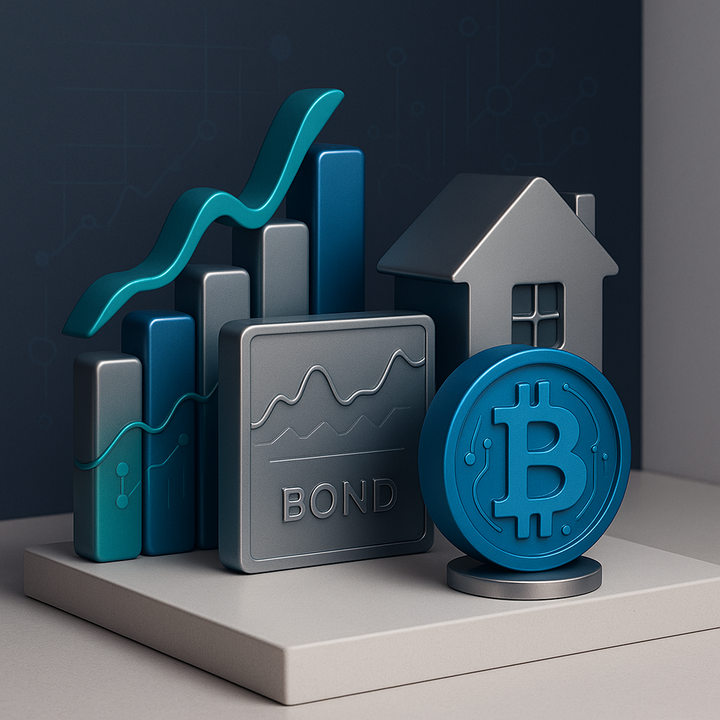
Understanding asset classes is crucial when building wealth early. Stocks usually offer higher returns over time, but they come with more volatility. Bonds provide steady income and stability, serving as a buffer during turbulent markets. Real estate and alternative assets—including peer-to-peer lending or cryptocurrencies—offer further diversification. Each option has its own risk and liquidity factors. Young adults need to decide which mix fits their goals, timelines, and risk comfort. Comparison tools, financial news, and independent product ratings support better choices. However, sticking to proven strategies—such as consistent contributions, diversified holdings, and regular portfolio reviews—remains best. Advisors or experienced mentors can help refine tactics and keep young investors on track. Financial education should teach not only how to start investing but also how to review, adjust, and adapt strategies as personal circumstances and markets change.
The Role of Mindset and Behavioral Habits
Behavioral finance shows that financial success depends on habits and mindset as much as technical knowledge. Young adults benefit from developing patience, resilience during market downturns, and discipline in following plans. Emotional triggers, such as fear in bear markets or excitement during booms, often lead to poor decisions. Writing down goals and using checklists can reduce impulsive actions. Tracking net worth, celebrating milestones, and learning from mistakes build positive reinforcement. Surrounding oneself with financially literate peers and mentors also sustains motivation and accountability. Financial education programs should highlight these soft skills. They should provide not just quantitative tools but also frameworks for healthy money management attitudes. Over time, these habits greatly improve financial outcomes.
Expanding Opportunities Through Continuous Learning
Finance changes rapidly. Regulations, technologies, and market dynamics shift in ways that can make yesterday’s knowledge outdated. Therefore, young adults should seek ongoing education through reputable blogs, podcasts, webinars, or formal courses. This helps them keep up with innovations and avoid old assumptions. Lifelong learning ensures continued relevance and adaptability in a changing environment. Many nonprofit and government organizations offer free resources to boost financial skills. Young adults who proactively expand their education will be better positioned to seize new opportunities and avoid pitfalls.
Conclusion: Making Financial Education a Priority
Prioritizing financial education that young adults can trust is vital for building lasting security and smart investment strategies. As the world grows more complex and technology reshapes money management, young people who control their financial knowledge feel more empowered and better prepared for future challenges. Investing time in understanding budgets, technology risks, behavioral habits, and investment fundamentals pays off throughout life. For further reading, tips, and useful guides, visit our category dedicated to Financial Education. There, we aim to inspire smarter decisions and long-term stability.

Camila Duarte is a financial content strategist and personal finance writer focused on helping readers build structured, long-term financial stability. Her work explores how budgeting systems, income management, credit behavior, and disciplined investing interact to create sustainable financial growth. Instead of promoting shortcuts or trend-driven advice, Camila emphasizes clarity, practical frameworks, and responsible decision-making grounded in real-world financial dynamics.