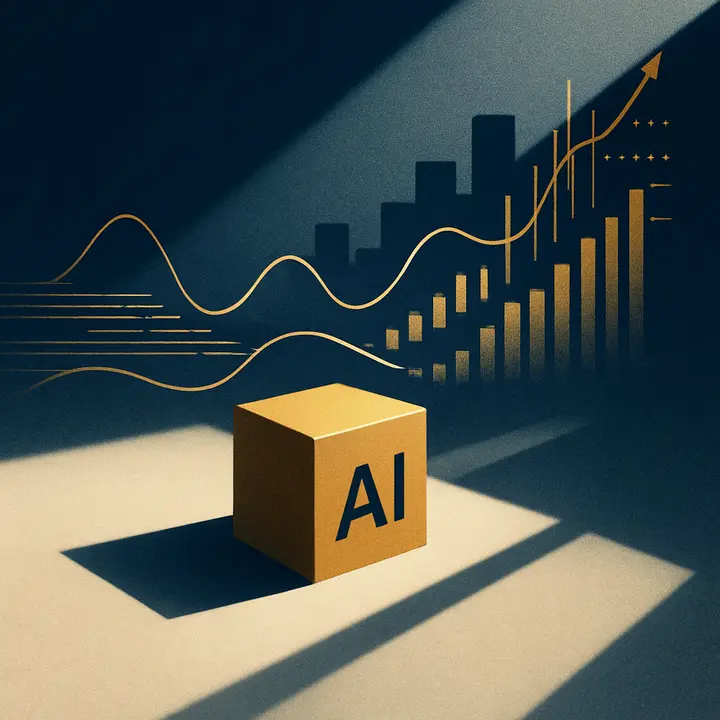
How Artificial Intelligence Is Transforming Long-Term Investments: A Guide for 2025
Introduction: The Role of Artificial Intelligence in AI Long-Term Investments
AI long-term investments are taking center stage in the world of finance. Artificial intelligence (AI) has developed into a pivotal asset, with sophisticated algorithms, rapid data processing, and powerful predictive analytics. Institutions, individual investors, and asset managers are using AI to improve portfolio construction, boost returns, and enhance risk assessment. In 2025, AI’s impact on long-term investing will only grow as more platforms integrate advanced tools for data-driven decision-making. To successfully navigate this evolving landscape, investors must understand fundamental applications and practical strategies. Grasping the essentials of AI empowers anyone to create robust, forward-looking investment plans.
Understanding Artificial Intelligence in Finance
Artificial intelligence in finance means leveraging machine learning, natural language processing (NLP), and advanced analytics to handle vast datasets. Traditional algorithmic trading was limited to pre-set rules; AI-powered investment systems now adapt quickly, analyze complex unstructured data like news and social media, and shift strategies in real time. Robo-advisory is a prominent example, offering accessible portfolio management that aligns with risk tolerance and goals. Predictive portfolio optimization, anomaly detection, and automated sentiment analysis are transforming how professionals and retail investors approach markets. Thanks to increased computational power and abundant financial data, AI’s role in long-term investments continues to expand rapidly. [OECD report on AI in Finance]
Why AI Matters for AI Long-Term Investments
Investors with a long-term horizon focus on well-constructed, diversified portfolios. AI assists by offering deeper insight into global economic cycles, sector trends, and asset correlations. These automated insights lead to more accurate forecasting, better scenario planning, and improved identification of risk factors. Institutions apply AI to monitor ESG (environmental, social, and governance) trends and signals from emerging markets, all in real time. By doing so, AI not only helps identify early-stage opportunities but also manages risk with greater precision. The ability to eliminate human bias and ensure scalability means AI long-term investments are more transparent, predictable, and positioned for sustainable outcomes.
Key Applications of AI in Long-Term Investment Strategies
AI’s applications stretch across various aspects of long-term portfolio management. Portfolio construction platforms with AI can simulate hundreds of macroeconomic scenarios. As a result, asset allocation can easily shift between equities, fixed income, commodities, and alternative assets as needed. AI-driven due diligence systems quickly analyze company reports, regulatory filings, and economic news, accelerating asset selection and ongoing monitoring. AI even helps spot trends in startup ecosystems and real estate markets by using unconventional datasets like satellite images or web traffic statistics. ESG factor integration is another area where AI shines, quantifying non-financial risks and locating sustainability issues others miss. Tasks like rebalancing, tax loss harvesting, and compliance checks become nearly seamless, further streamlining growth and downside protection. [IMF: AI in Finance]
Practical Strategies for Leveraging AI in Investment Portfolios
In 2025, practical strategies for AI long-term investments are available to professionals and individuals. One common tactic is integrating AI-powered screening for equity and fixed income. These automated tools can uncover undervalued assets overlooked by standard financial metrics, improving capital allocation. Advanced deep learning models project future cash flows or assess earnings quality, pointing the way to sectors with sustainable growth. Analytical tools that process time-series data can detect macroeconomic or geopolitical anomalies, helping investors adjust portfolios ahead of market shifts. Automation also manages portfolio rebalancing more frequently based on current market data, so allocations stay consistent with initial investment policy. Many leading financial platforms blend human expertise with AI suggestions, crafting portfolios that match risk tolerance, time horizon, and personal objectives.
AI and Risk Management in Long-Term Investments
Risk management stands out as a primary benefit of applying AI to long-term investment strategies. AI analyzes historical data, identifies patterns, and recognizes early-warning signals that traditional models often miss. Predictive analytics, such as stress testing and scenario analysis, support robust risk controls by highlighting vulnerabilities under different economic outcomes. Anomaly detection tools continuously scan portfolios for irregular performance or unusual patterns, allowing swift responses before minor risks become significant issues. Automation ensures more objective, unbiased decisions, reducing mistakes common in manual oversight. Despite automation, sound governance remains essential so AI-driven strategies don’t overlook rare but impactful events.
Challenges and Risks Unique to AI Long-Term Investments
Despite impressive benefits, deploying AI in long-term investments brings notable challenges. “Black box” AI models sometimes leave decision logic unclear, complicating due diligence for investors and regulators. Poor-quality input data or subtle data biases can distort outcomes, create mispricing, or concentrate risk. Overreliance on fully automated strategies may increase systemic risks during crises, as AI can react unexpectedly when markets behave abnormally. Regulatory bodies are placing more scrutiny on AI to ensure transparency and auditability, which could lead to evolving compliance rules. Data privacy and cybersecurity risks rise as sensitive financial data migrates to cloud-based AI systems. To mitigate these challenges, investors should maintain robust governance structures and ensure human oversight at every key stage. Adapting to ongoing technological and regulatory changes is also vital for safe AI integration.
Innovation and Future Potential: How AI Is Shaping Asset Management
AI-driven innovation touches every tier of asset management, making personalized portfolio strategies more widely accessible. Personalization engines use machine learning to create highly tailored investment plans for both high-net-worth and mass-market participants. Enhanced analytics encourage integrating climate risk and sustainability, further expanding the definition of long-term value. AI-powered collaboration networks allow funds and data providers to generate new investment insights through federated learning or sharing unconventional data sources. Regulatory technology (RegTech) automates compliance monitoring and reporting, slashing overhead and reducing organizational risk. As AI-powered investment platforms go global, investors gain broader access to previously illiquid or opaque markets, supporting greater diversification and cross-border growth.
Building an AI-Ready Investment Practice
Creating a successful AI long-term investment practice requires more than just advanced technology. It starts with a culture of education and adaptability. Teams need to stay updated on regulatory developments, new AI methodologies, and best practices for data integrity and cybersecurity. Asset managers should foster collaboration between data scientists, portfolio managers, and compliance experts. Vetting third-party technologies is critical, ensuring robust audit trails and transparency. Effective onboarding for clients includes explaining how AI influences decision-making and what safeguards are in place. Lastly, responsible innovation means using AI to enhance—not replace—human judgment. Investors who master this balance are best positioned for resilience in rapidly changing markets.
Case Studies: AI Long-Term Investments in Action
Several leading asset managers and pension funds have already integrated AI into their long-term strategies. One global pension fund adopted an AI-driven model for ESG monitoring, resulting in earlier detection of governance risks in its portfolio. Another large investment manager used AI to automate research on global REITs, rapidly identifying geographic shifts in real estate value. Retail platforms offer robo-advisory solutions powered by AI, allowing everyday investors to create globally diversified portfolios with personalized features and lower costs. These examples prove the real-world potential for AI to transform long-term outcomes, especially when teams properly manage risks and maintain clear oversight.
Regulation, Ethics, and Transparency in AI-Powered Investing
As AI becomes central to long-term investment, the importance of clear regulation and ethics grows. Regulators are evolving compliance frameworks to promote transparency and prevent algorithmic biases. Asset managers must implement strong data governance and keep clients informed about how AI models make decisions. Independent audits and third-party validation can provide extra assurance for institutional investors. Open communication builds client trust, which is crucial given the pace of digital transformation. Ethical principles—like fairness and privacy—should guide all AI deployment, with clear accountability for every automated process. The leaders of tomorrow’s financial markets will be those who balance technological advancement with ethical stewardship.
Continuous Learning: Staying Ahead in AI-Driven Financial Innovation
The rapid evolution of AI long-term investments demands ongoing education for both professionals and investors. Training opportunities in AI, machine learning, and data literacy will be key to maximized returns and minimized risk. Leading financial organizations now offer workshops and courses on using AI responsibly, covering practical implementation, regulatory compliance, and ethical considerations. Investors willing to learn about new tools and technologies can turn market shifts into opportunities. Maintaining fluency in AI developments ensures portfolio resilience, robust diversification, and adaptability as the future unfolds.
The Outlook for AI in Long-Term Investments
Looking forward, AI’s role in long-term investments will deepen as technology matures. Predictive analytics, advanced scenario modeling, and integration of alternative datasets are set to become industry standards. Investors will benefit from greater transparency, nuance, and flexibility. However, risks around data bias, privacy, and regulatory response will also persist, necessitating vigilant governance. By combining robust education, sound governance, and forward-thinking adoption of AI, investors and asset managers can secure a strategic edge in global markets. The coming years promise new opportunities—and new responsibilities—for everyone involved in AI long-term investments. Staying proactive, informed, and adaptable offers the clearest path toward sustained investment success.

Camila Duarte is a financial content strategist and personal finance writer focused on helping readers build structured, long-term financial stability. Her work explores how budgeting systems, income management, credit behavior, and disciplined investing interact to create sustainable financial growth. Instead of promoting shortcuts or trend-driven advice, Camila emphasizes clarity, practical frameworks, and responsible decision-making grounded in real-world financial dynamics.