Essential Financial Concepts for Beginners in Economics
Introduction: Why Essential Financial Concepts Matter
Essential financial concepts have never been more relevant for beginners than in today’s rapidly changing economic world. Anyone stepping into the world of investments or even managing day-to-day finances is continuously exposed to new products, shifting market conditions, and evolving regulations. Without understanding essential financial concepts, many beginners risk making mistakes that could harm their financial health for years. As financial systems grow more complex due to technological innovation and increased global interaction, a strong knowledge base becomes your best defense—and your most important tool—for building wealth and protecting assets.
This article breaks down the essential financial concepts every beginner should understand. We explain their role in investment and saving decisions and provide actionable tips to help you use these ideas in everyday life. By the end, you’ll be better equipped to evaluate financial products, react to changes in the economy, and make confident decisions that support long-term goals.
What Are Essential Financial Concepts?
The term “essential financial concepts” refers to a set of foundational ideas forming the vocabulary of money, investments, and risk management. These concepts include compound interest, inflation, diversification, time value of money, liquidity, and risk management. Each concept plays a distinct role, helping you understand how to maximize gains, control losses, and plan for the future.
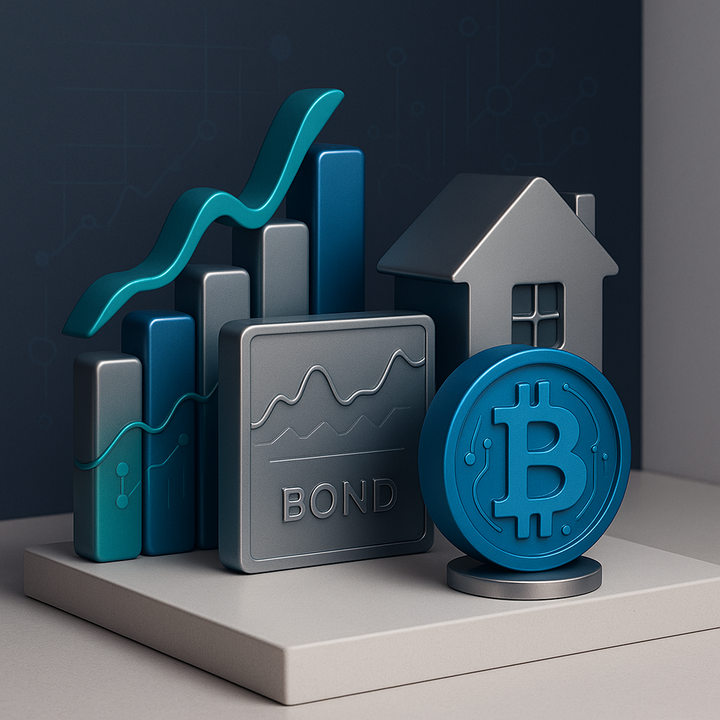
For example, compound interest is the process where interest is earned on both the initial principal and on previously earned interest. This powerful concept forms the backbone of long-term investing and savings growth. Inflation measures how prices increase over time, reducing your purchasing power unless you invest wisely. Liquidity describes how fast and easily you can turn an asset into cash without significant loss. Diversification is about spreading investments across multiple asset classes, such as stocks, bonds, and real estate, so that poor performance in one area doesn’t ruin your entire plan. The time value of money tells us that money in hand today is worth more than money received later because it can be invested for growth.
Mastering these essential financial concepts helps beginners move beyond the noise. You’ll recognize the principles behind everyday financial products, from mutual funds to savings accounts, and make informed decisions even when navigating new technologies or market conditions.
Essential Financial Concepts and Their Impact on Investors
Understanding essential financial concepts is directly linked to better investment results. Investors who learn the relationship between risk and reward, understand asset allocation, and can compare real versus nominal returns avoid costly mistakes. For example, a basic knowledge of diversification helps you avoid unintentionally putting all your savings into one volatile area, thus reducing the impact of market swings.
Research from organizations like the OECD shows that higher financial literacy leads people to set realistic goals, choose investments with better risk/return profiles, and avoid excessive fees. These actions combine to boost long-term returns and lower stress. As digital platforms make trading and investing easier, being able to spot misleading claims, recognize investment fees, or identify unsuitable products becomes crucial. This foundation also matters for retirement planning, helping you understand how different returns and inflation may affect your financial security in the future.
Key Principles: Compound Interest, Diversification, and Risk Management
Let’s examine some of the core essential financial concepts in more detail:
- Compound Interest: This concept means your investments not only earn returns initially but also generate additional gains as those returns themselves are reinvested. The earlier you start, the more powerful compounding becomes—making consistent, early saving a winning strategy for beginners.
- Diversification: By spreading money across various assets, you minimize the risk that poor results in one investment will destroy your overall wealth. This principle balances risk and reward and is key to surviving unpredictable markets.
- Risk Management: Every investment has risks—from market crashes to inflation. Recognizing these risks and managing them, perhaps by using insurance or adjusting your asset allocation, keeps you from taking losses that you can’t recover from.
- Time Value of Money: Because money today can be invested and earn a return, you’ll want to weigh opportunities that give you access to funds sooner, where possible. This knowledge is useful for deciding when to spend, save, or invest.
- Liquidity: Not all investments are equally easy to convert to cash. While stocks typically have high liquidity, real estate or certain bonds may take much longer to sell at a good price. Understanding your liquidity needs keeps you from getting caught short during emergencies.
Major asset managers, including BlackRock and Vanguard, demonstrate through long-term data that portfolios designed with diversification, compounding, and risk management in mind outperform those based on speculation or chance. For beginners, these principles form the blueprint for building lasting wealth.
Practical Application: Turning Concepts Into Action
Knowing about essential financial concepts won’t help you unless you put them into practice. Fortunately, numerous straightforward strategies can help beginners succeed:
- Budgeting: The first step to investing or saving is knowing where your money goes. Use a simple budget to track expenses and income. Many mobile apps now offer easy tools for this purpose.
- Regular Saving: Building the habit of saving a portion of your income every month, no matter how small, puts the power of compounding on your side. This habit is the seed of future wealth.
- Automated Investing: Automated plans, such as dollar-cost averaging, invest a fixed amount at regular intervals. This approach reduces the impact of market swings by spreading purchases over time.
- Asset Allocation: Spread your investments among different asset types, adjusting the mix depending on your risk tolerance, age, and goals.
- Continuous Learning: The financial world changes rapidly. Commit to regular updates, reading, and reviewing your investments. Use credible sources for news and analysis, like the IMF World Economic Outlook Reports.
Digital technology makes life easier here. Budgeting platforms, online brokerages, and educational apps provide not only tools for managing money but also instant access to up-to-date information, guiding even the newest investors through their first steps.
Modern Financial Markets: Emerging Risks and Opportunities
New technologies and products constantly reshape financial opportunities—and introduce new dangers. Cryptocurrencies, alternative lending platforms, and “fintech” innovations let investors access markets in ways that were impossible a decade ago. However, these options often come with high volatility, fraud risks, or unclear regulatory protection. Beginners eager to explore should proceed with caution, using essential financial concepts to ask hard questions about transparency, guarantees, and risks.
Meanwhile, changes in the broader economy—such as periods of rising inflation or sharp interest rate changes—affect the value of savings, both in banks and in markets. For example, inflation can silently erode the purchasing power of cash holdings, while unexpected rate increases may cause market volatility. By understanding the core concepts around risk, liquidity, and allocation, you’re better positioned to respond appropriately, rather than panic, when these events occur.
Another growing area is ethical investing, or evaluating options based on environmental, social, and governance (ESG) standards. While these can align investments with your personal values, it’s vital to verify the underlying data for authenticity and avoid marketing traps known as “greenwashing.” Research from organizations such as the Financial Stability Board underscores the risk of financial loss from misunderstanding complex new products, particularly for beginners.
Technology’s Impact on Learning and Decision-Making
Technology now plays a transformative role in both financial education and decision-making. Modern learners benefit from a host of digital tools: interactive courses, simulations, financial calculators, and robo-advisory services, all offer learning opportunities tailored to individual needs.
Mobile apps let you track spending, plan for retirement, or simulate investment returns—all from the palm of your hand. According to the World Economic Forum, the widespread adoption of financial education apps has increased user confidence and improved the quality of decision-making, especially among those with little previous exposure to investing.
However, tools alone aren’t enough. To benefit fully, use these apps and services as starting points, but always supplement them with your own research and periodic self-education. Regularly review your accounts, verify key facts, and follow trusted institutions for broader perspectives.
Keeping Essential Financial Concepts in Mind: Long-Term Strategies
Building financial health requires more than a single lesson—it calls for lifelong learning and habit-building. Periodically review your investment strategies, rebalance your portfolio, and stay informed about market shifts and new regulations. When seeking advice, prioritize information from established organizations and qualified professionals instead of social media tips or anonymous forums.
Explore and compare financial products with a critical eye. Banks, brokerage services, insurance companies, and fintechs frequently offer new tools, but the features, fees, and risks can differ greatly. Rely on your knowledge of essential financial concepts to cut through jargon and select products that suit your circumstances and goals.
Remember, financial security doesn’t depend on guessing which stock will soar, but on careful planning, disciplined saving, and clear understanding of the risks and opportunities you face.
Conclusion: The Ongoing Value of Essential Financial Concepts
Mastery of essential financial concepts remains fundamental for anyone entering the world of economics and investment. With constant changes in markets and technology, these foundational ideas—compound interest, diversification, risk management, and more—provide steady guidance. Financially literate individuals are more likely to build wealth steadily, avoid unnecessary risk, and adjust smartly to new opportunities or threats.
For beginners, starting with these concepts opens the door to smarter decisions, greater confidence, and an enduring sense of control over personal finances. Continue learning, stay critical of unproven trends, and trust knowledge built on proven financial principles. In this way, you turn uncertainty into opportunity and stay prepared for whatever the future brings in personal finance.

Camila Duarte is a financial content strategist and personal finance writer focused on helping readers build structured, long-term financial stability. Her work explores how budgeting systems, income management, credit behavior, and disciplined investing interact to create sustainable financial growth. Instead of promoting shortcuts or trend-driven advice, Camila emphasizes clarity, practical frameworks, and responsible decision-making grounded in real-world financial dynamics.